

For every starting point.
THE VOCAL SPACE METHOD · THESSALONIKI & ONLINE
A personal vocal coaching method that brings together anatomical understanding, embodied experience and mental imagery — so you can discover what works for your voice and learn how to return to it.
7+ YEARS TEACHING · DIPLOMA IN CLASSICAL SINGING · PhD(c) MUSIC PEDAGOGY
START FROM YOUR EXPERIENCE
Maybe something feels difficult. Maybe something feels missing. Or maybe you already sing well, but you know your voice could feel freer, more reliable and more like you.
Which of these sounds familiar?

No selections yet
MORE THAN ONE THING CAN BE TRUE
The answer is not necessarily to try to consciously control even more.
At The Vocal Space, we look for the right cue — the stimulus that helps your voice and body organize the desired response more functionally.
There is no single exercise, technique or instruction that works in the same way for every voice.
You need a method that helps you discover your own voice.
At The Vocal Space, we start with what you want to achieve and explore what helps your voice develop greater freedom, accuracy and expression.
01 / METHOD
Developed by Stavros Tachos
A personal stimulus.
A voice you learn to regulate.
We don’t look for the one right instruction for everyone.
The Vocal Space Method is a personalized process of discovering what works for your own voice.
We begin with a real goal or difficulty and explore different cues, sensations, images, movements, sounds or words — observing what changes and what helps you find the coordination you need.
The goal is not to make you dependent on instructions, but to help you develop your own way of understanding and regulating your voice — with greater freedom and autonomy.
THE CORE MECHANISM
A cue is not another instruction about what your voice “should” do. It is a stimulus that helps your own voice and body find the coordination you need.
A cue can be:
We do not simply give a general technical instruction and expect it to work. We explore different stimuli until we find what creates the desired vocal response in you.
When a cue works, we test it, adapt it, repeat it and stabilize it — until you can use it on your own.
1.The cue is not the exercise.
2.The cue is not the technical instruction.
3.The cue is the stimulus that helps the desired coordination emerge.
What can a cue connect?
A cue can connect body, voice and meaning into one coordinated response.
A cue can begin with the body, the voice, or meaning — and organize the relationship between them, so that the response becomes more immediate, more stable, and more personal.
CUE → BODY
01 / BODY
A cue can begin with breathing, posture, movement, or a specific physical sensation. The body becomes a starting point for influencing vocal coordination and discovering a more functional response.
HOW THE METHOD WORKS
We start from what you bring to your voice and move toward autonomy.
The process through which we discover, test, adapt and organize the cues that work for your voice is called Vocal Cue Mapping .
 Observewhat the voice needs now
 Exploredifferent stimuli
 Find the cuethat changes the response
 Test itin exercises and songs
 Make it yoursthrough repetition and adaptation
 AUTONOMYUse it independentlywhen you need it
Fewer things to manage.
More access to your voice.
Instead of trying to consciously control many technical parameters at once, we look for an effective cue that can help the body and voice organize the desired response more functionally.
This is not a magic solution, and one cue does not fix everything. We test, adapt and stabilise the result inside the real act of singing.
THE OUTCOME

Over time, you build your own personal vocabulary — a Vocal Cue Network you can use for technique, expression and performance.
Your own Vocal Space.
02 / LESSONS
Individual lessons.
For your own voice.
INDIVIDUAL VOCAL LESSONS
Individual work that begins with your voice, your experience and your goal — whether you are singing for the first time or already have a journey behind you.
03 / ABOUT
Technical thinking.
Artistic listening.
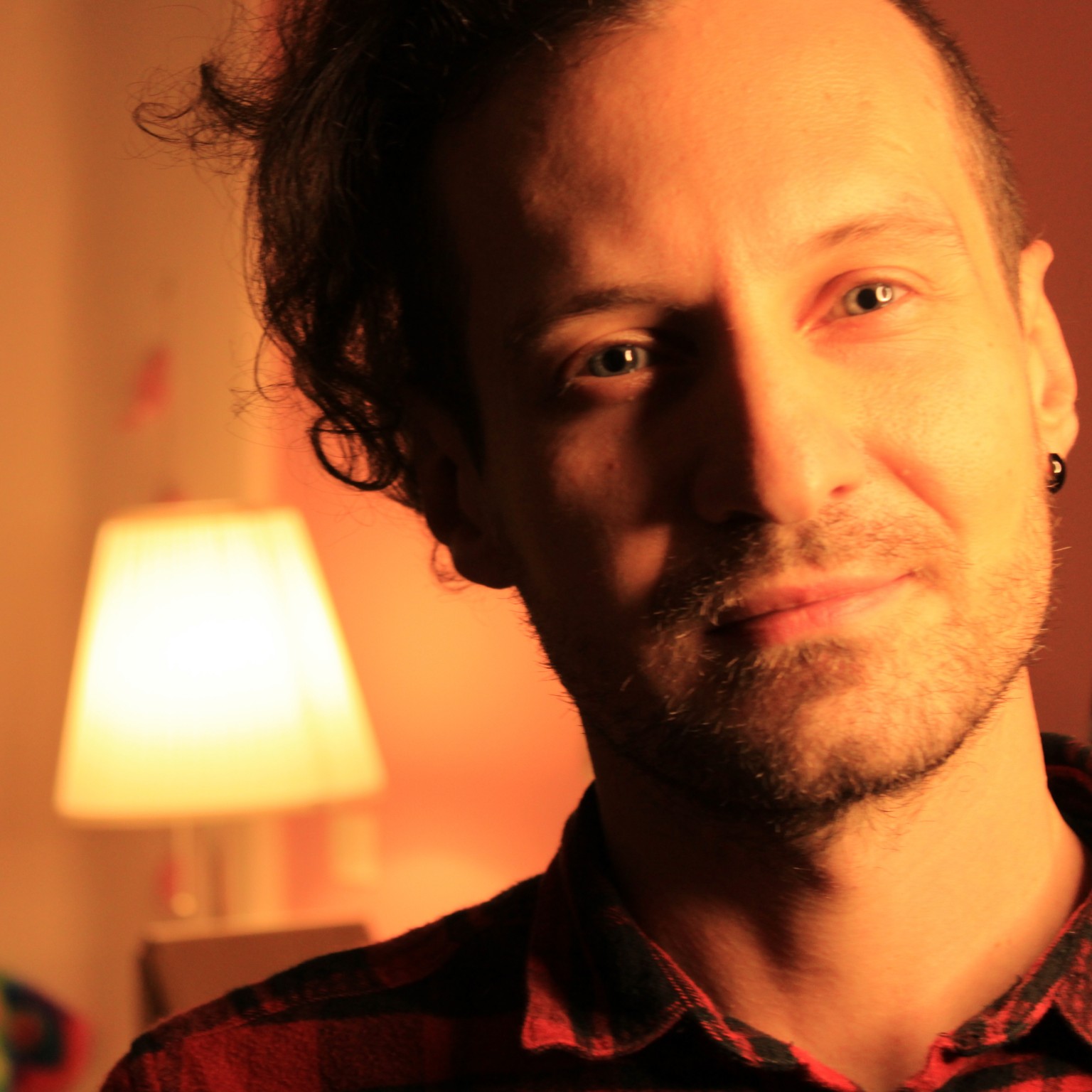
I am a vocal coach, singer and music educator. For more than seven years, I have helped people with different voices, experiences and musical goals understand not only what changes in their sound, but also how they can find it again.
I developed The Vocal Space Method at the meeting point of vocal technique, pedagogy, learning research, embodied experience and my own life as a singer.
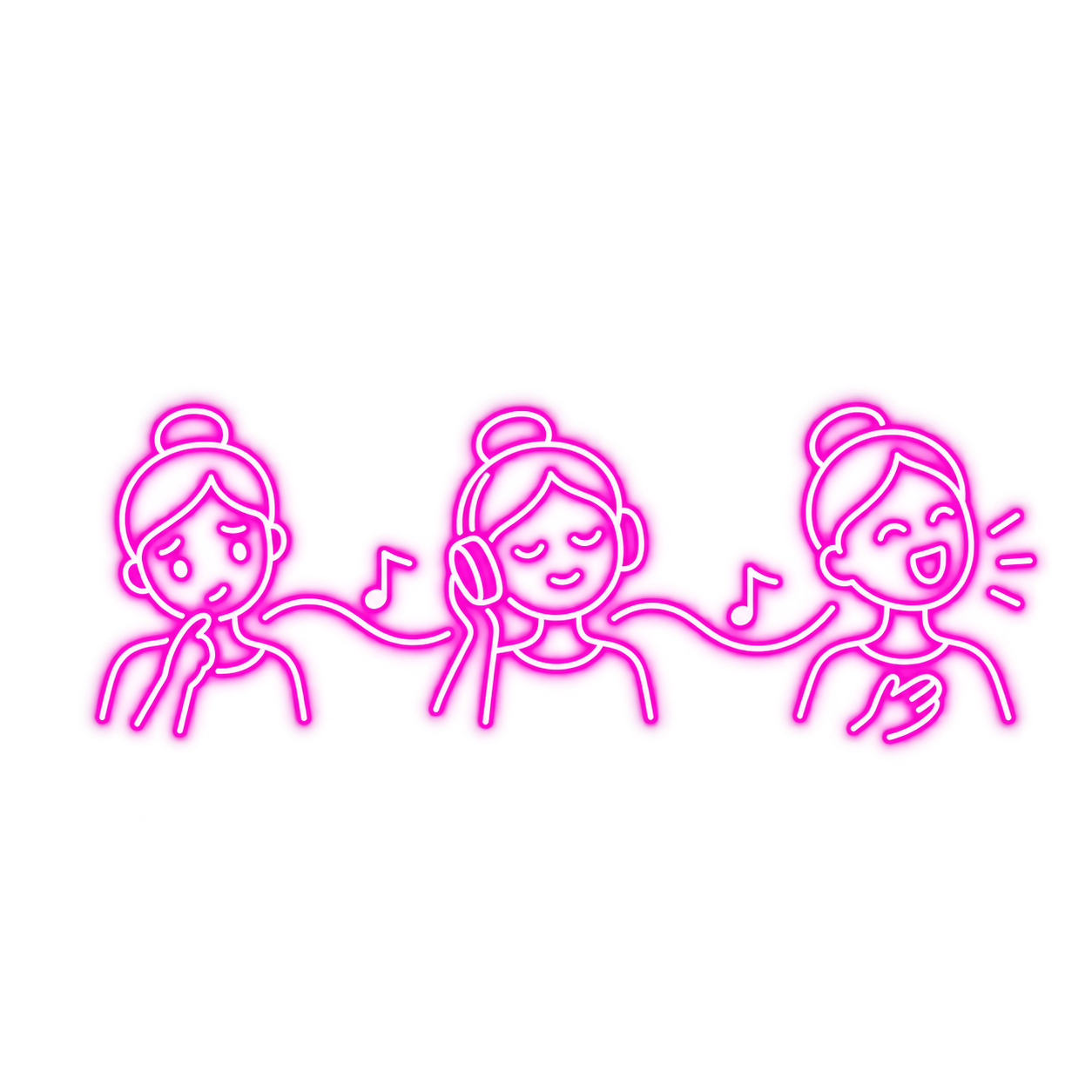
With appropriate vocal training, every person can develop their voice and singing, regardless of where they begin.

There are no “beautiful” and “ugly” voices. There are different, personal and recognizable voices. The goal is to develop your own.
Even if finding or sustaining notes accurately feels difficult now, this ability can be developed through appropriate practice.
04 / TESTIMONIALS
What keeps appearing
in student reviews about The Vocal Space.
01 / PERSONAL
“Stavros is an amazing teacher! He is extremely flexible in his methods, patient, and fully tailors each lesson to the student’s needs and preferences. He explains things very clearly, communicates effectively, and always gives very well-targeted feedback.”
02 / TRUST
“The best vocal teacher I’ve had. He helped me with various technical issues I was facing and was always patient, no matter how many mistakes I made. Always calm and friendly.”
03 / PROGRESS
“I started vocal lessons with Stavros as a complete beginner, with virtually no previous singing experience. In a relatively short period of time, I saw a huge improvement, both in my technique and voice and in my confidence when singing.”
04 / CONFIDENCE
“An excellent teacher, with patience and genuine interest in the student! Every lesson is enjoyable and at the same time you can see real progress. He has helped me a lot, both vocally and in gaining more confidence. I highly recommend him!”
05 / CONTACT
START FROM WHAT YOU NEED
Share a few words about your experience and goal. I will reply personally with the most suitable place to begin.
Or contact me directly
Email info@thevocalspace.gr